Flagged for Deletion
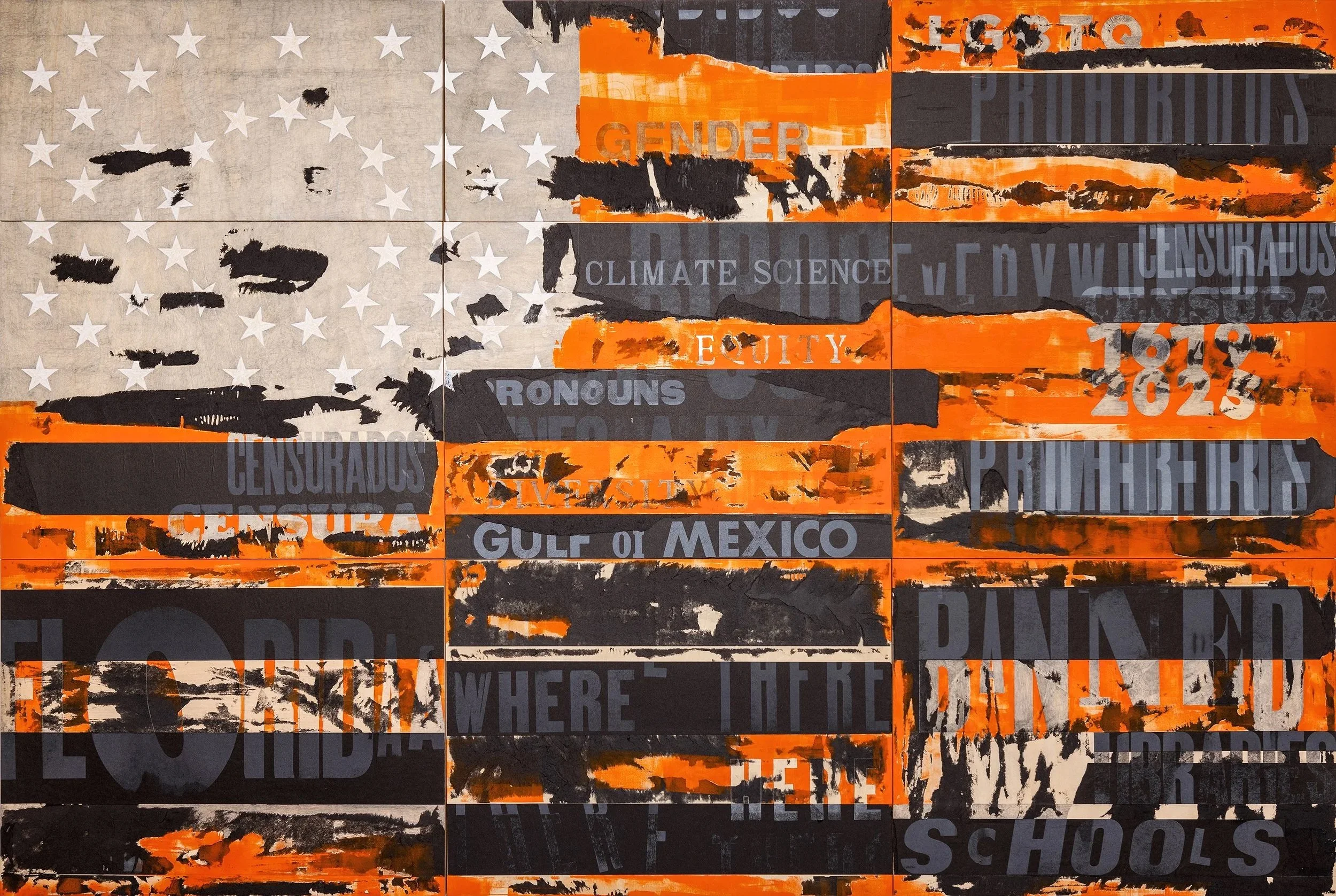
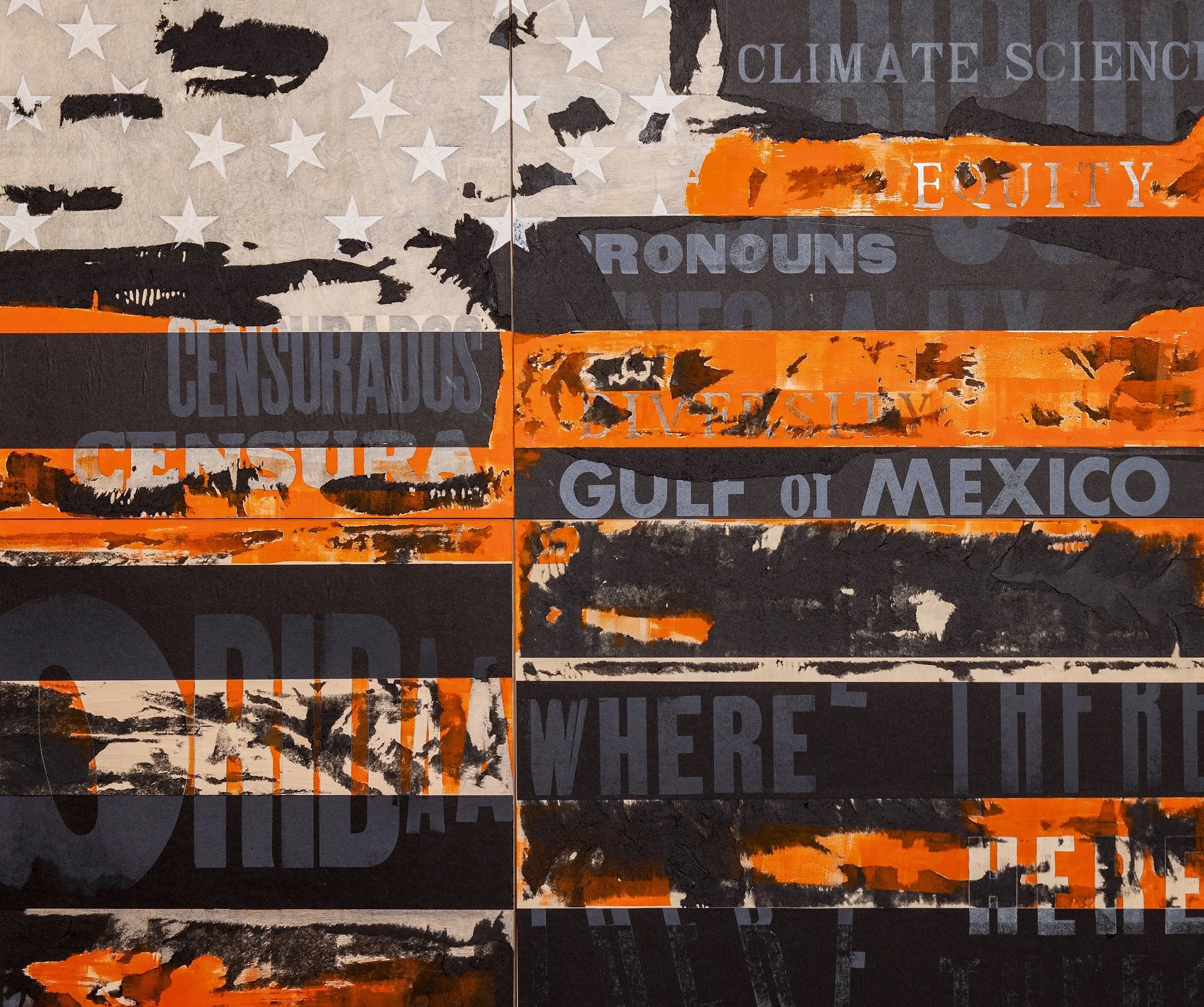
Created in the lead-up to the United States Semi quincentennial in 2026, Flagged for Deletion reflects on how artists across generations have transformed the American flag into a site of critique, resistance, and collective reflection. Building on the legacy of artists such as Jasper Johns, Faith Ringgold, David Hammons, and Dread Scott, the work reimagines the flag not as a fixed patriotic emblem, but as a contested surface shaped by censorship, memory, and political struggle.
The title plays on the dual meaning of “flagging”—both a symbol of national identity and an act of marking something for removal or erasure. Layers of ink, typography, and fragmented words—censored, banned, gender, climate science, Gulf of Mexico—surface and disappear beneath scraped textures and overprinted bands, evoking a digital warning system in which histories are redacted, voices silenced, and truths overwritten. Through the handmade processes of letterpress printing and drawing on wood, the work connects contemporary anxieties around censorship and disinformation to the long history of print as a tool for protest, public discourse, and democratic resistance.
54” H x 72” W x 1.75” D
Letterpress print, ink, and graphite on paper and wood panel
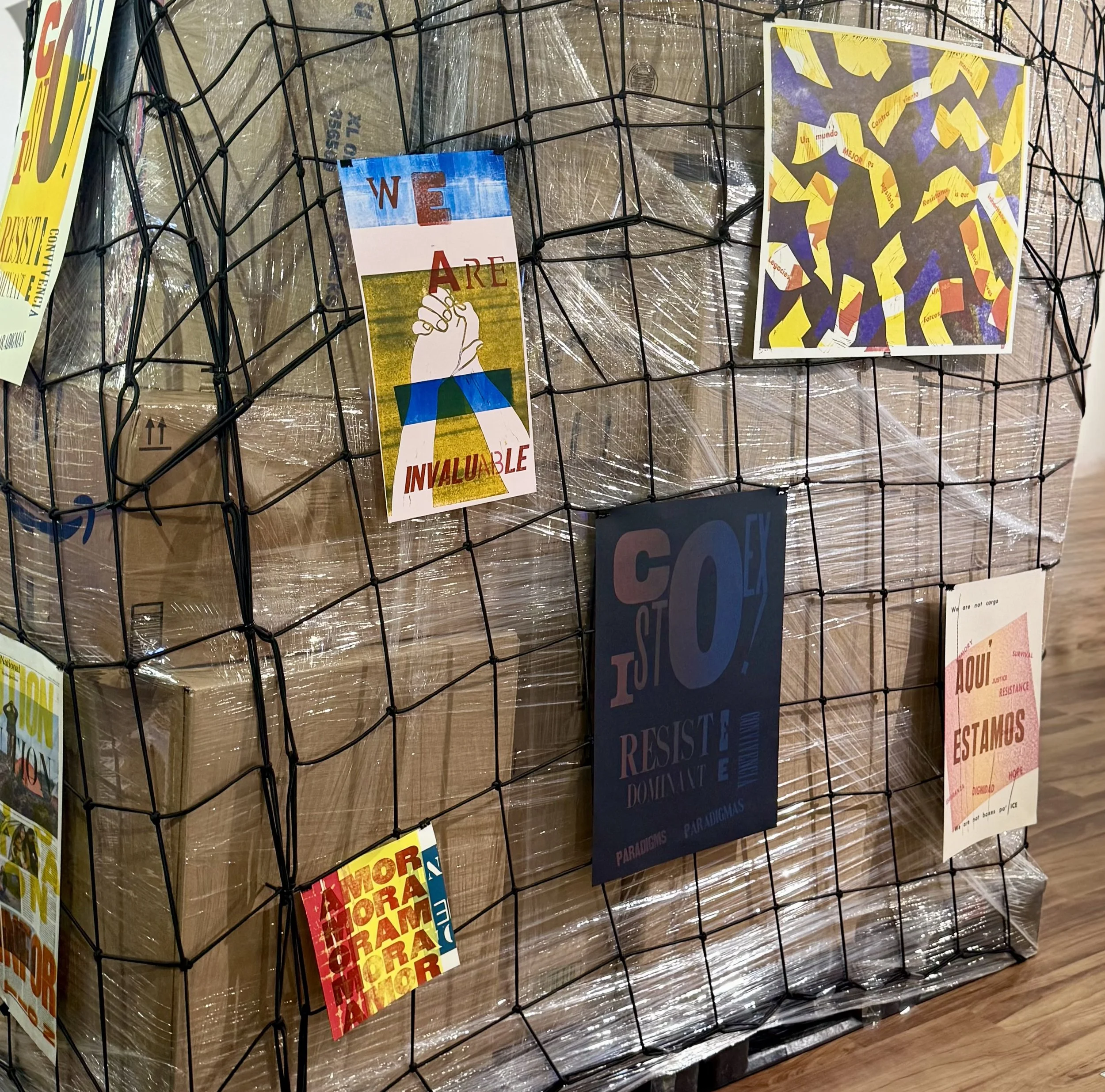
CONTAIN / RESIST
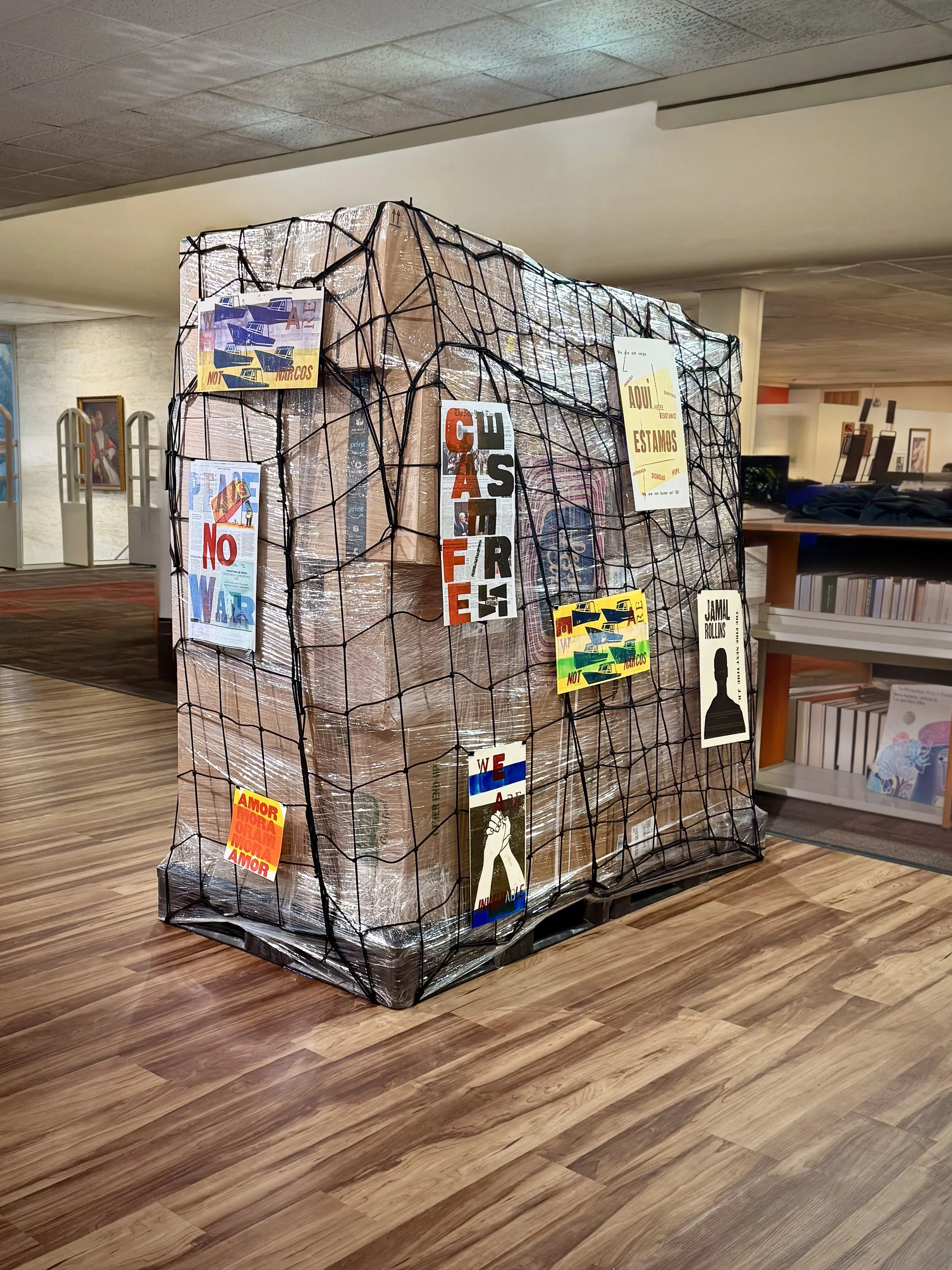
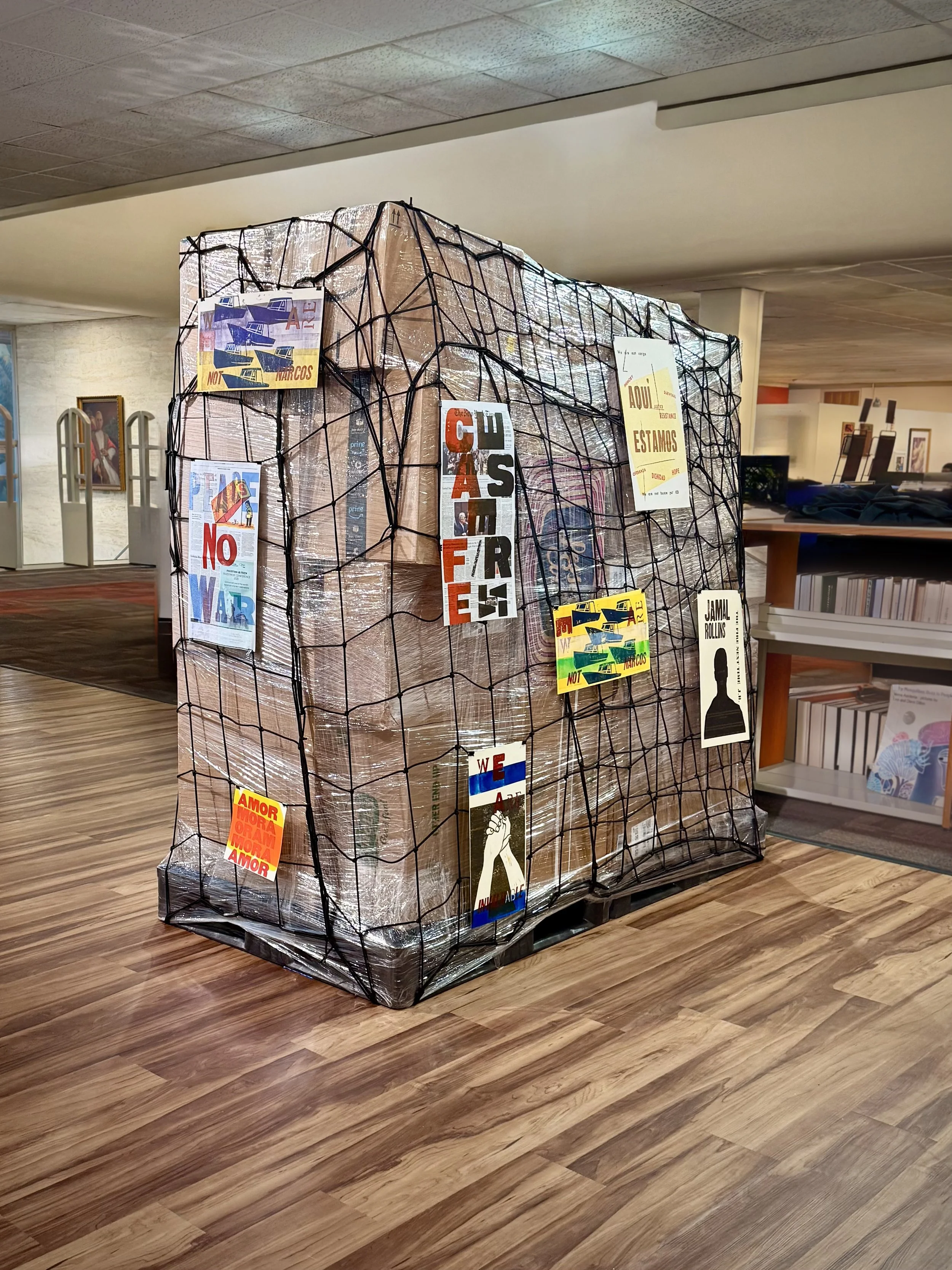
Contain / Resist is an installation built around a life-sized shipping container. The container has been transformed into a mobile printmaking studio and a space for collecting stories and memories. Instead of representing shipping and storage, it becomes a place for creativity, conversation, and community voices.
The project explores how people from the Caribbean and other parts of the Global South are often treated as statistics, cargo, or political issues rather than as human beings. Through shared stories, cultural memory, and community support, these communities continue to resist being silenced or forgotten.
Inspired by recent changes to U.S. immigration policies affecting TPS holders, asylum seekers, and parolees, Contain / Resist asks visitors to think about what society tries to contain—memories, grief, hope, resilience—and what cannot be contained.
Presented by Diaspora Vibe Cultural Arts Incubator at Barry University.
On view until April 30, 2026
Monsignor William Barry University

Throughout history, artists have harnessed their creative power to voice protests, both subtle and overt, responding to turbulent times while engaging in the essential process of free and open questioning inherent to civic society. In my artistic practice, I embrace a multidisciplinary approach, with a particular passion for printmaking. My current focus lies in the realm of relief, letterpress and linoleum prints, where traditional techniques are employed to amplify new voices, disseminate knowledge, and ignite creativity and conversation.
I draw inspiration from the historical significance of American broadsides, broadsheets, political posters, and the art of the WPA program. The rich legacy of printmaking in education and activism captivates me, and I am dedicated to using these mediums to highlight social issues within communities. My goal is to educate and inspire action through art, continuing the tradition of printmaking as a powerful tool for change in North America and the Global South.
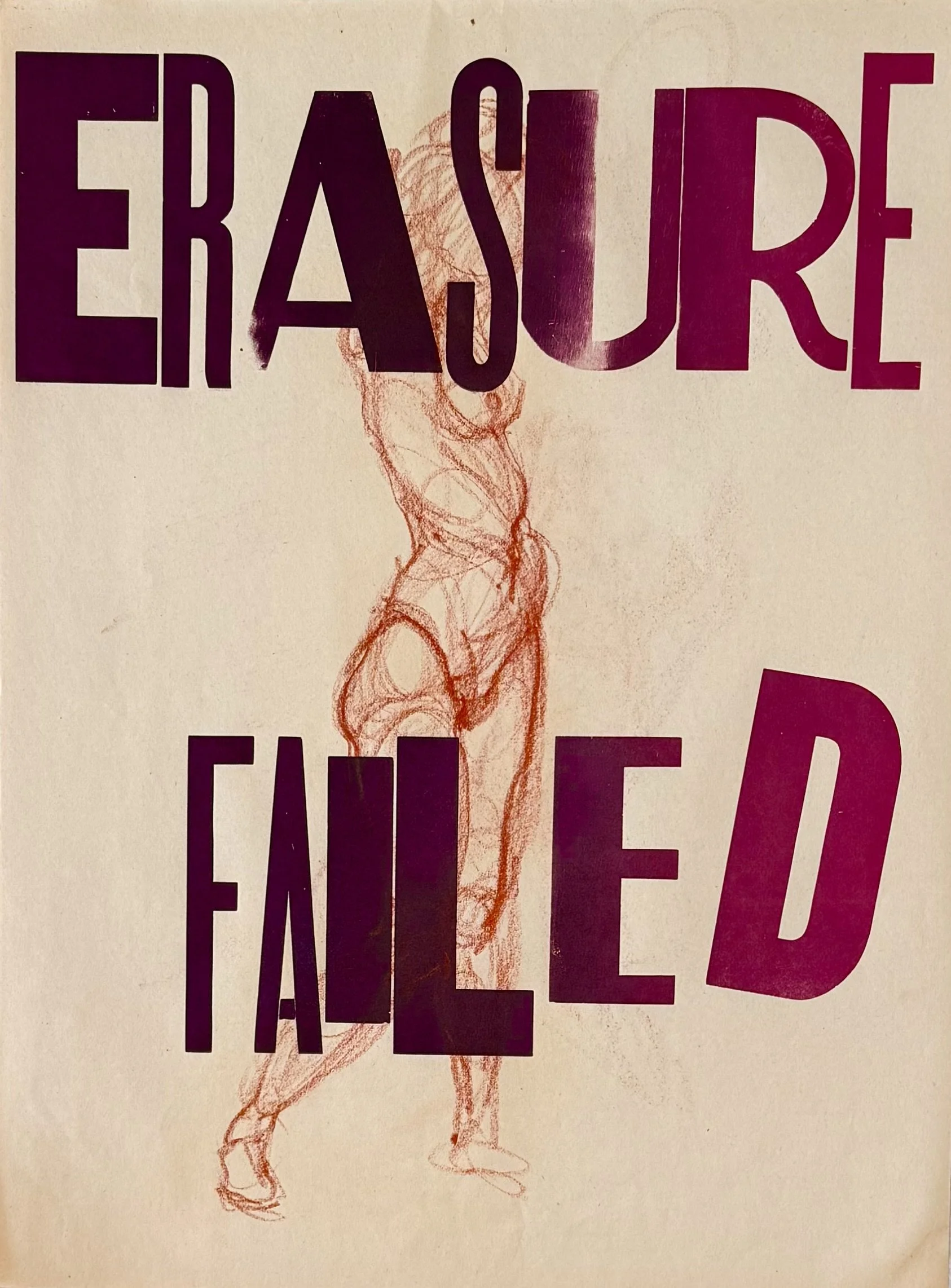
Erasure Failed, the Body Remains, Mixed media print, 2026, 18' x 24" (45.72 × 60.96 cm)
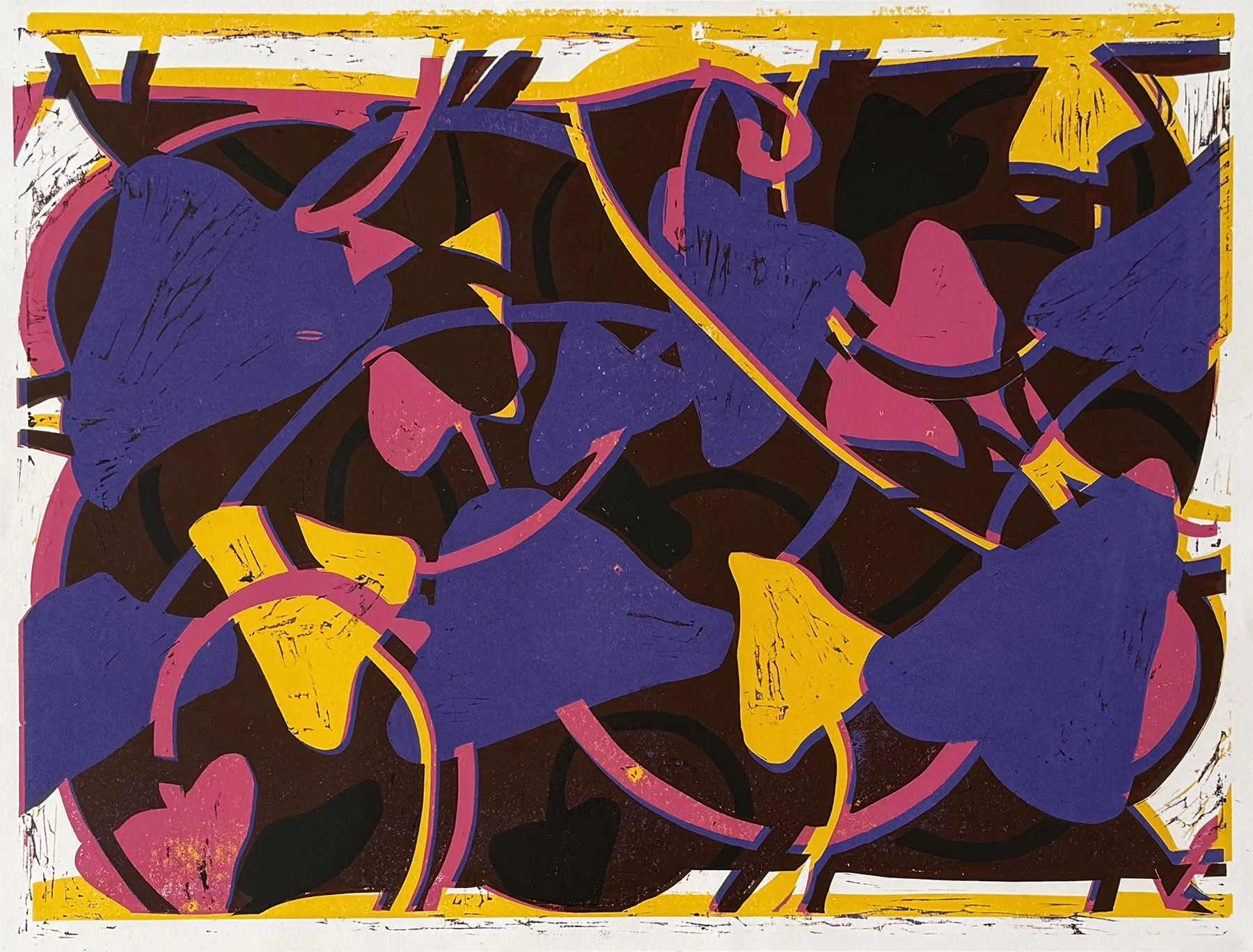
Havana Ironwork, 5 color reduction print, 2026, 19" x 25" (48.26 × 63.5 cm)

Aquí Estamos (We Are Here) 2025 - Letterpress, pressure print and China Marker- 19" x 12.5" (48.26cm x 31.75cm)

Fragments in Flight - Letterpress, reduction, linoleum print oh French paper - 2025 - 18" h x 24" w (45.72 x 60.96 cm)

COEXIST- Letterpress poster on 100lbs. French paper - 2024 - 24" x 18" (53.34cm x 38.1 cm)
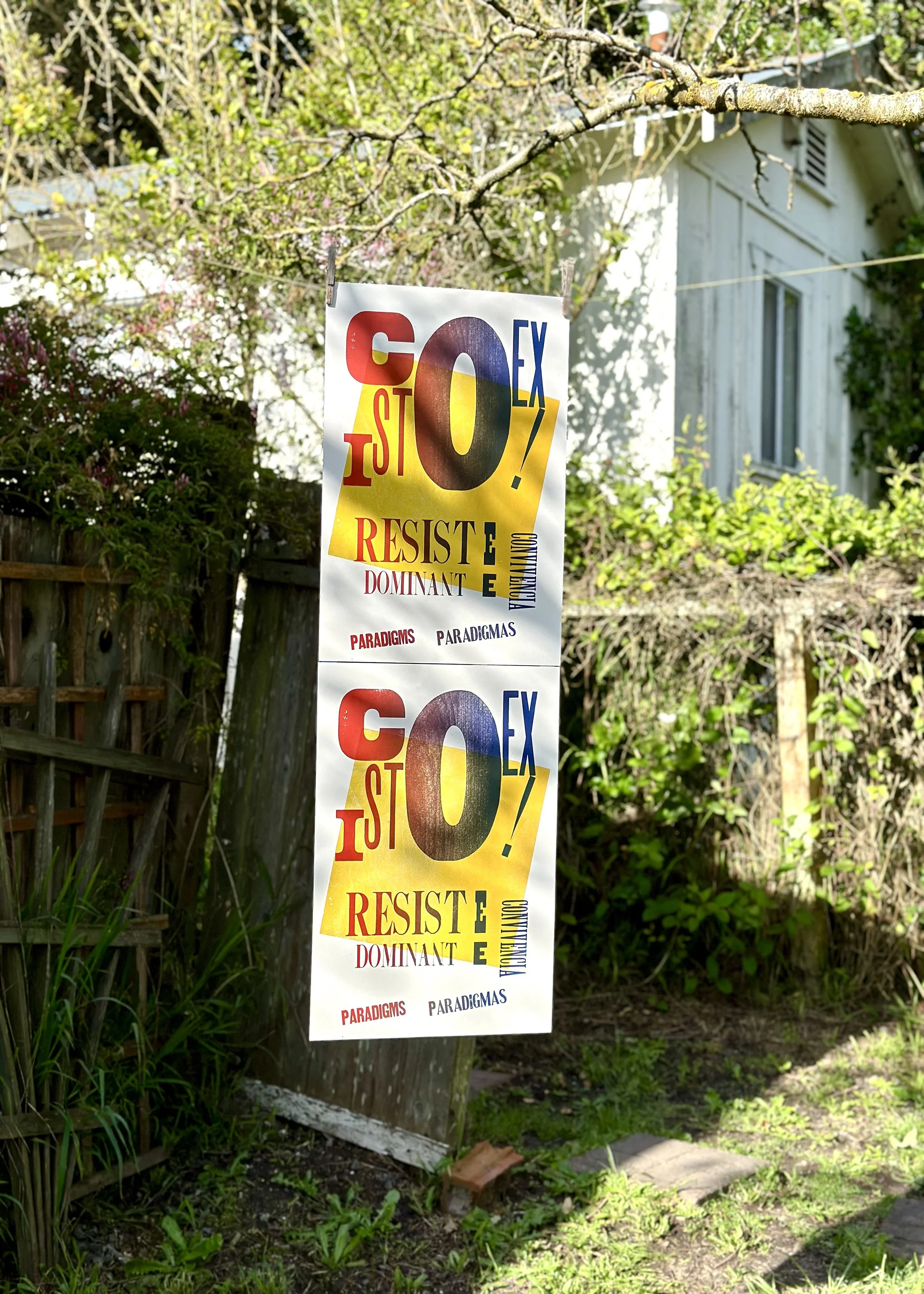
Installation view

COEXIST - Letterpress poster on Black paper - 2024- 24" x 18" (53.34 cm x 38.1 cm)

La Tipografía Is Our Resistance-2024 - Letterpress prints mounted on wood panel - 24” x 18” (45.72 x 60.96 cm)

Freedom pa’ Leer, Amar, Existir...USA 2025 - 2025 - Letterpress and pressure print - 19" x 12.5" (48.26cm x 31.75cm)

Co-Exist (48)- 22” H x 12” W x 2” D, 2024, Mixed-media
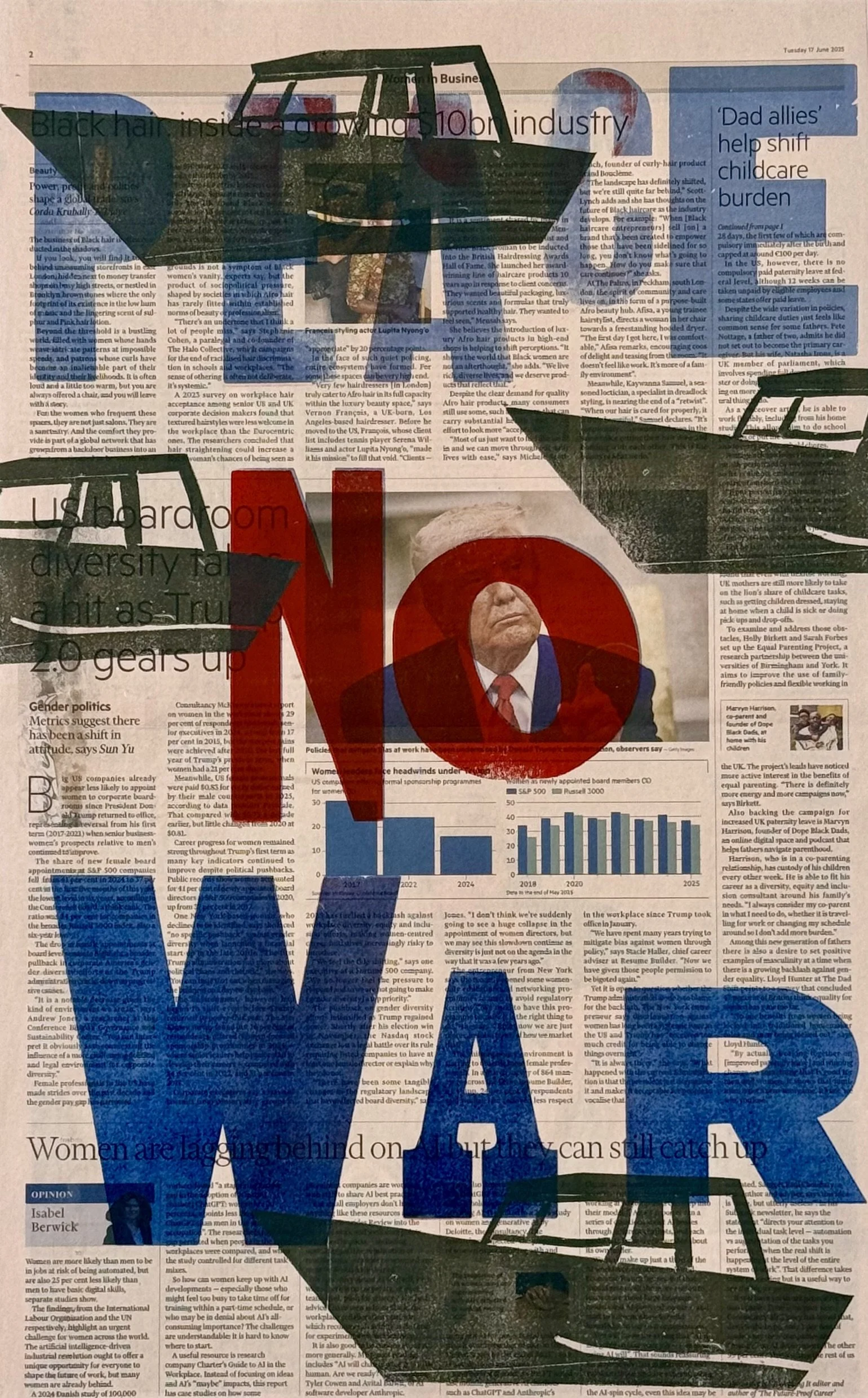
Printed Refusal: No War - Unique letterpress print on Financial Times newspaper
News Reimagined Series
This series of letterpress prints transforms pages of daily newspapers into layered fields of color, text, and image. Headlines, photographs, and data are overprinted with bold typographic interventions—PEACE, NO, PARADIGMS—interrupting the authority of the printed word and reframing its meaning. Through transparency, overlap, and pressure, fragments of global events remain visible while being recontextualized, revealing how information is constructed, filtered, and absorbed.
By working directly on newsprint, the series engages the immediacy and ephemerality of media, turning disposable pages into lasting objects. News Reimagined invites viewers to pause, question, and reconsider the narratives that shape our understanding of the world.
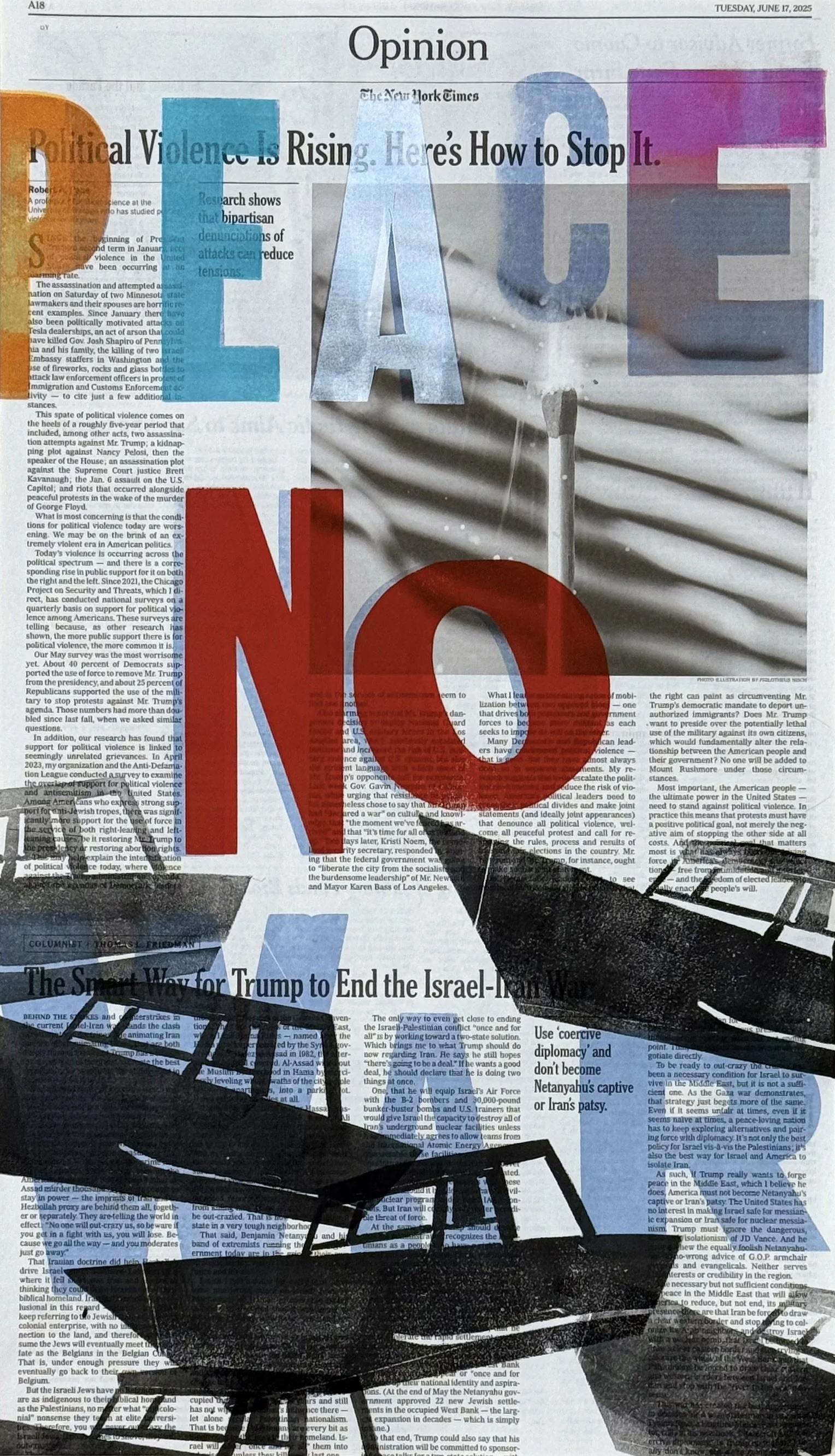
Public Address- Unique letterpress print on newspaper
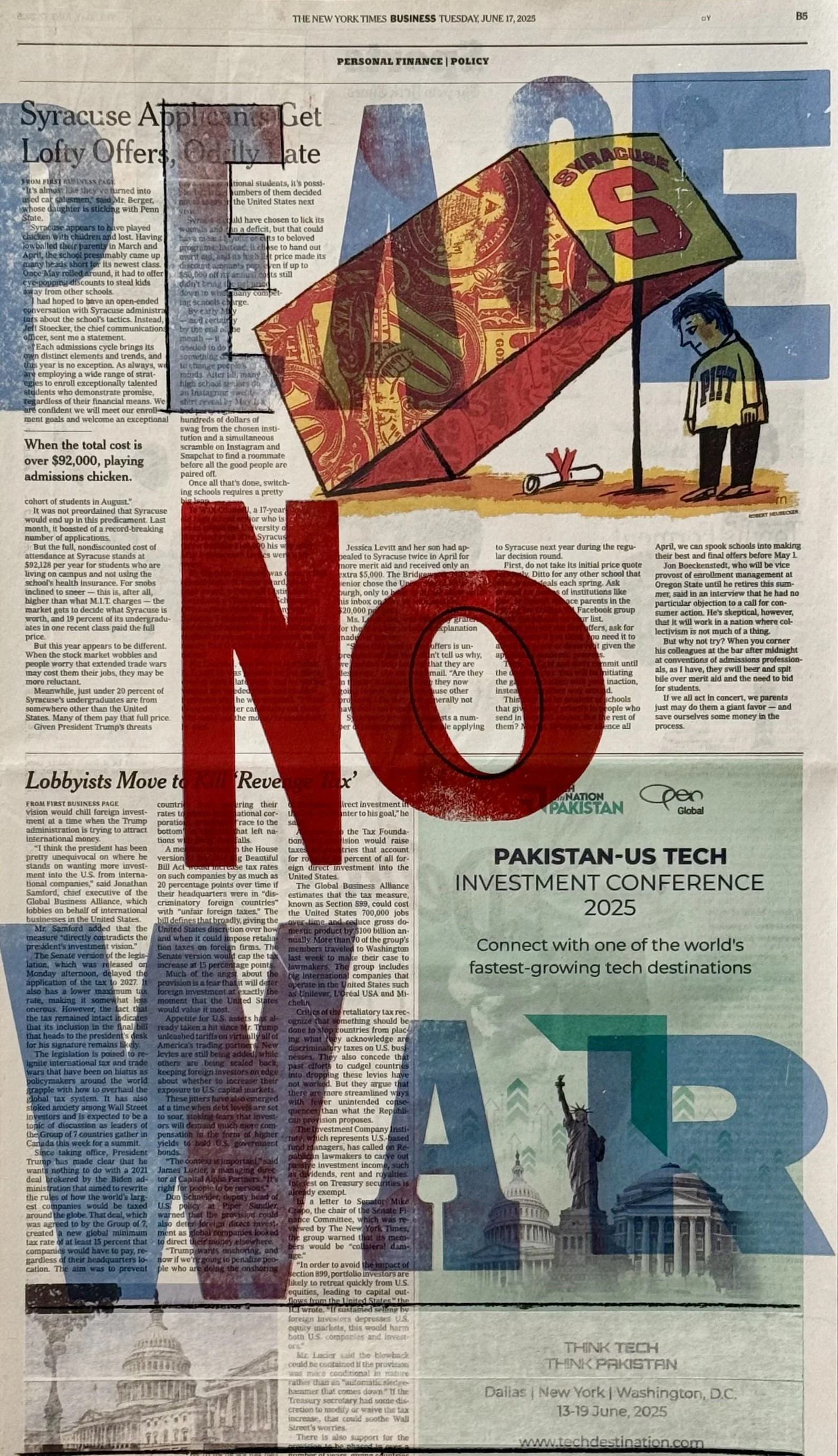
NO is a Complete Sentence - Unique letterpress print on newspaper
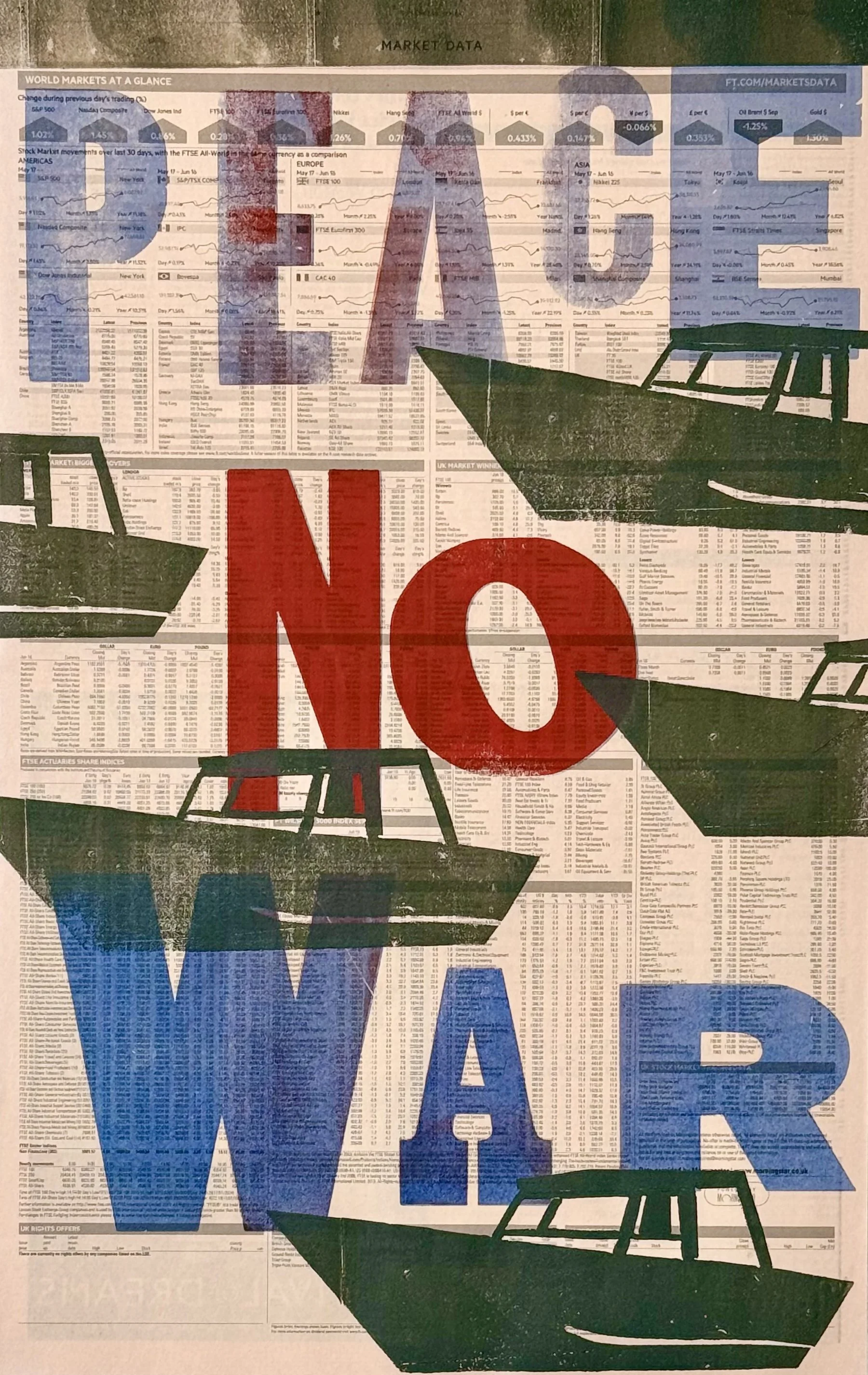
Ink Against War - Unique letterpress print on newspaper

Protege la biodiversidad - Unique letterpress print on newspaper
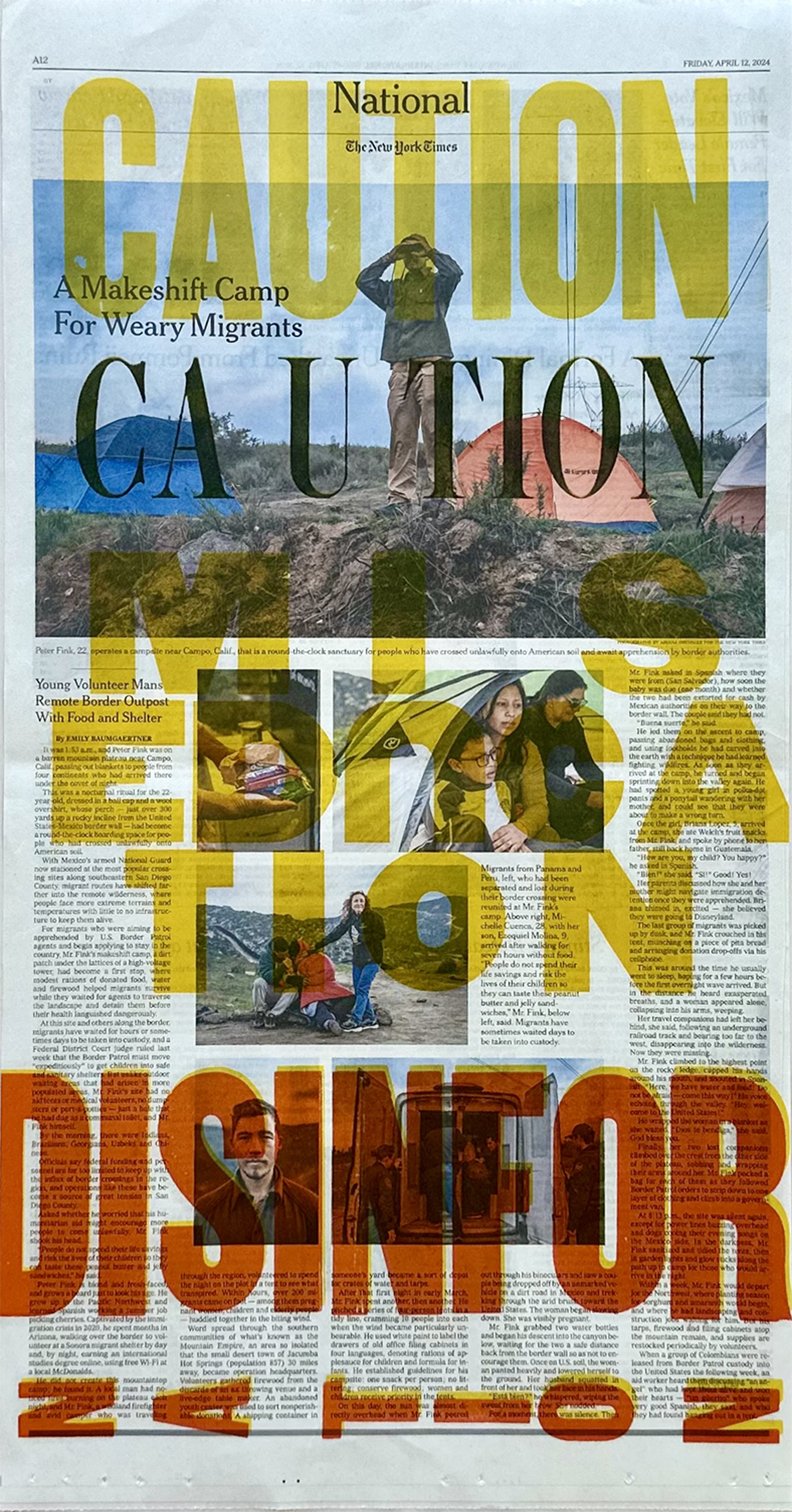
Caution- Unique letterpress print on newspaper

Respect Nature - Unique letterpress print on newspaper
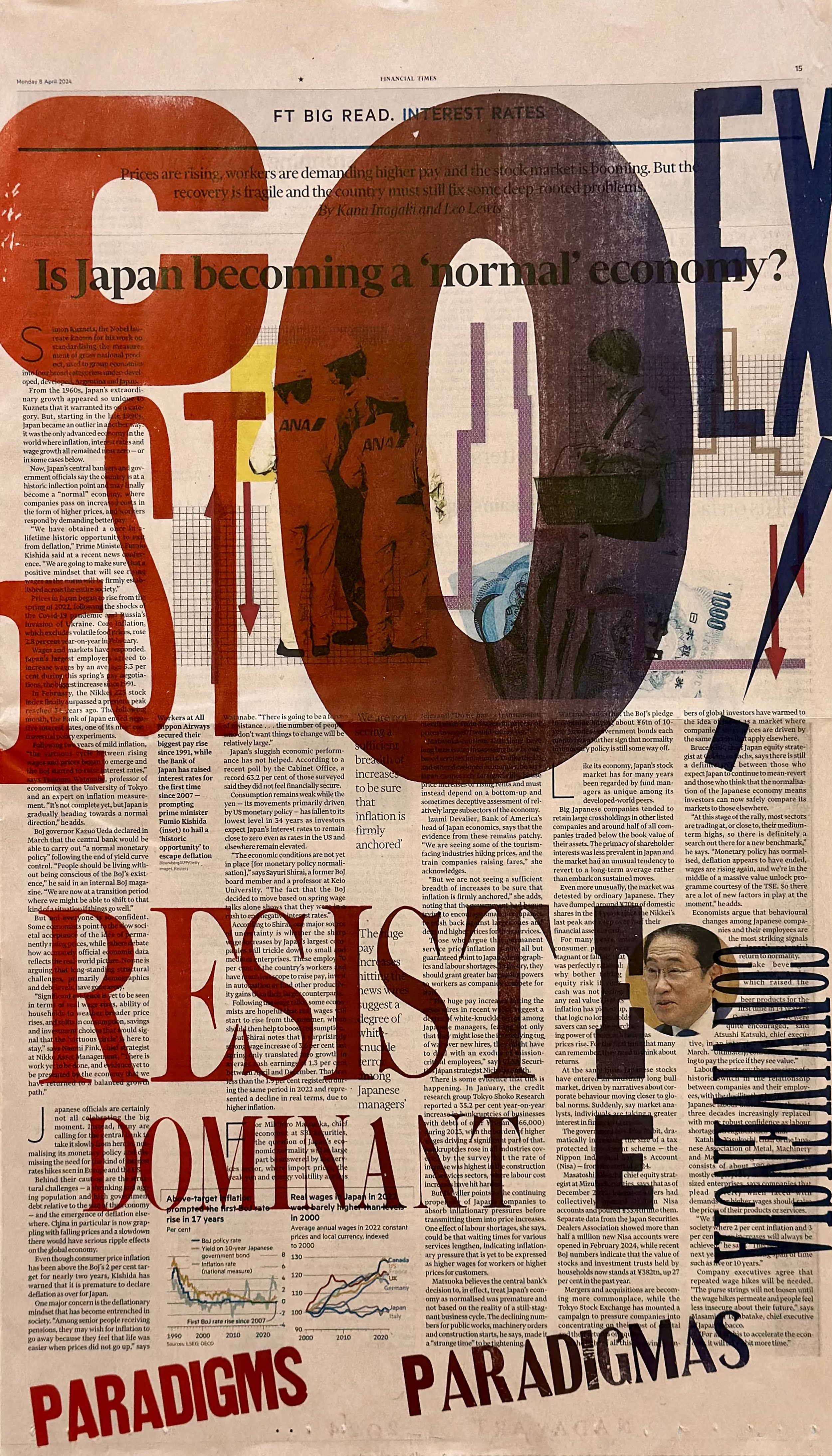
Coexist- Unique letterpress print of Financial Times newspaper.
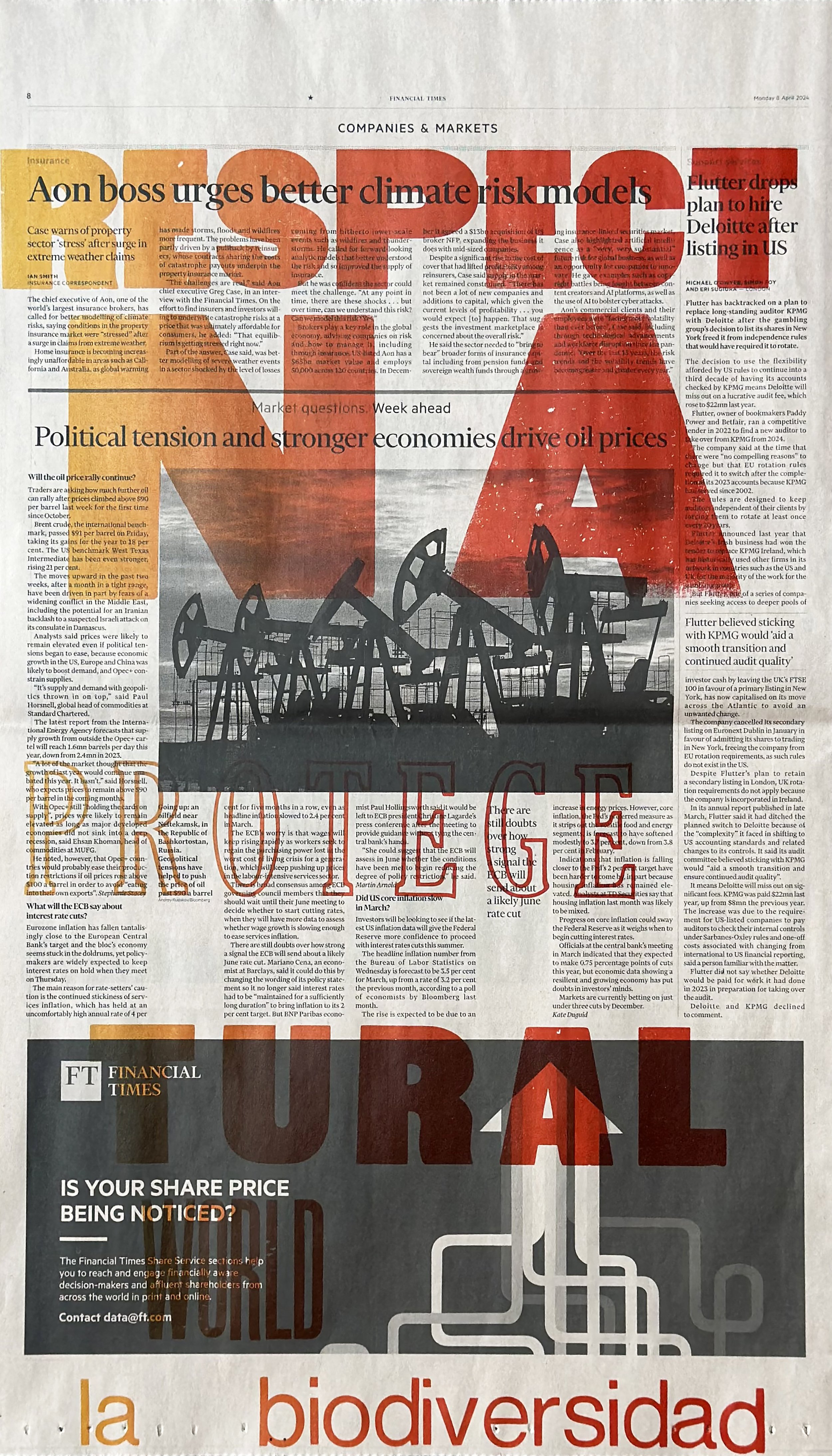
Respect- Unique letterpress print on Financial Times newspaper.
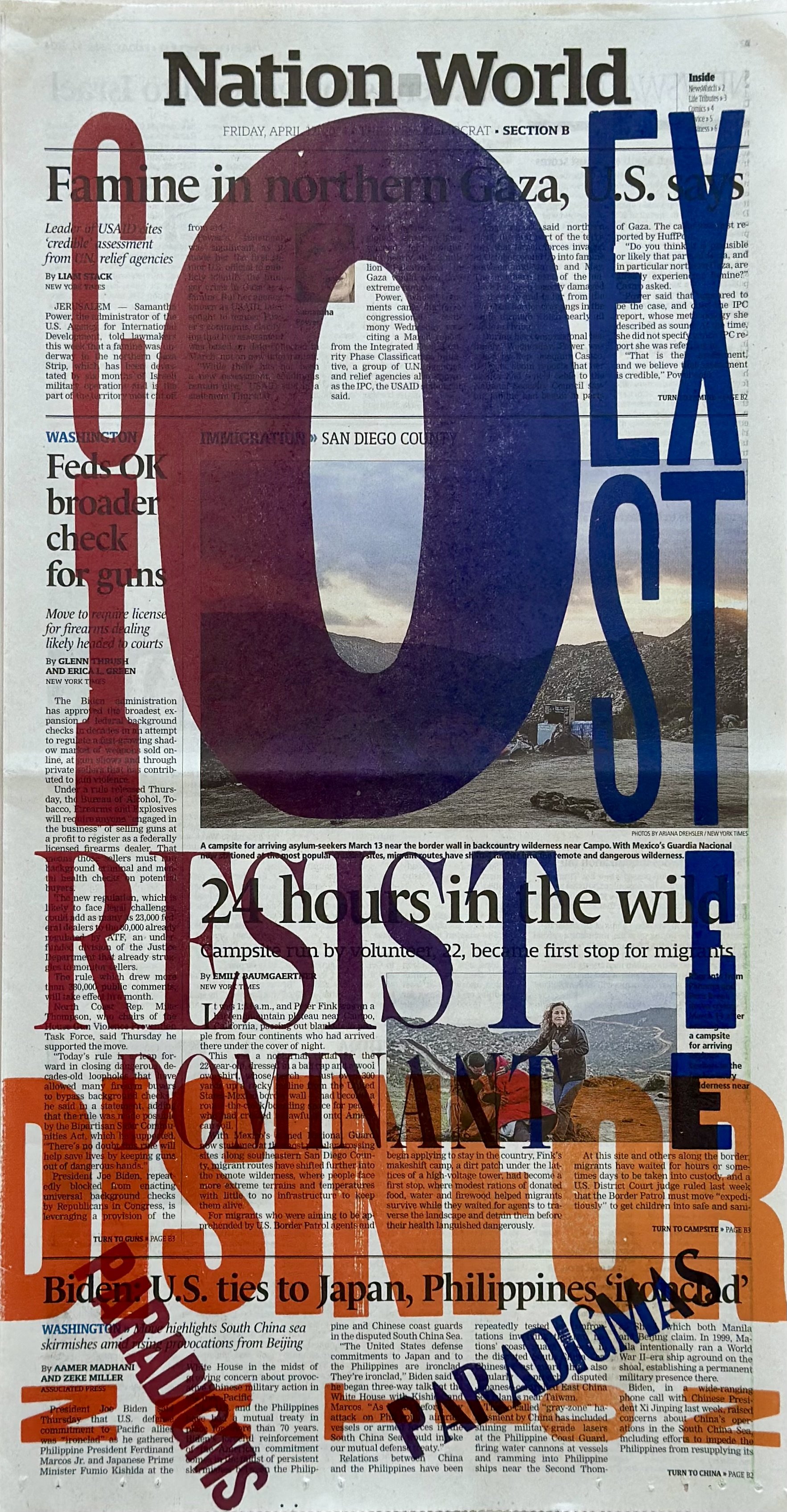
Disinformation - unique letterpress print on newspaper.

Installation view

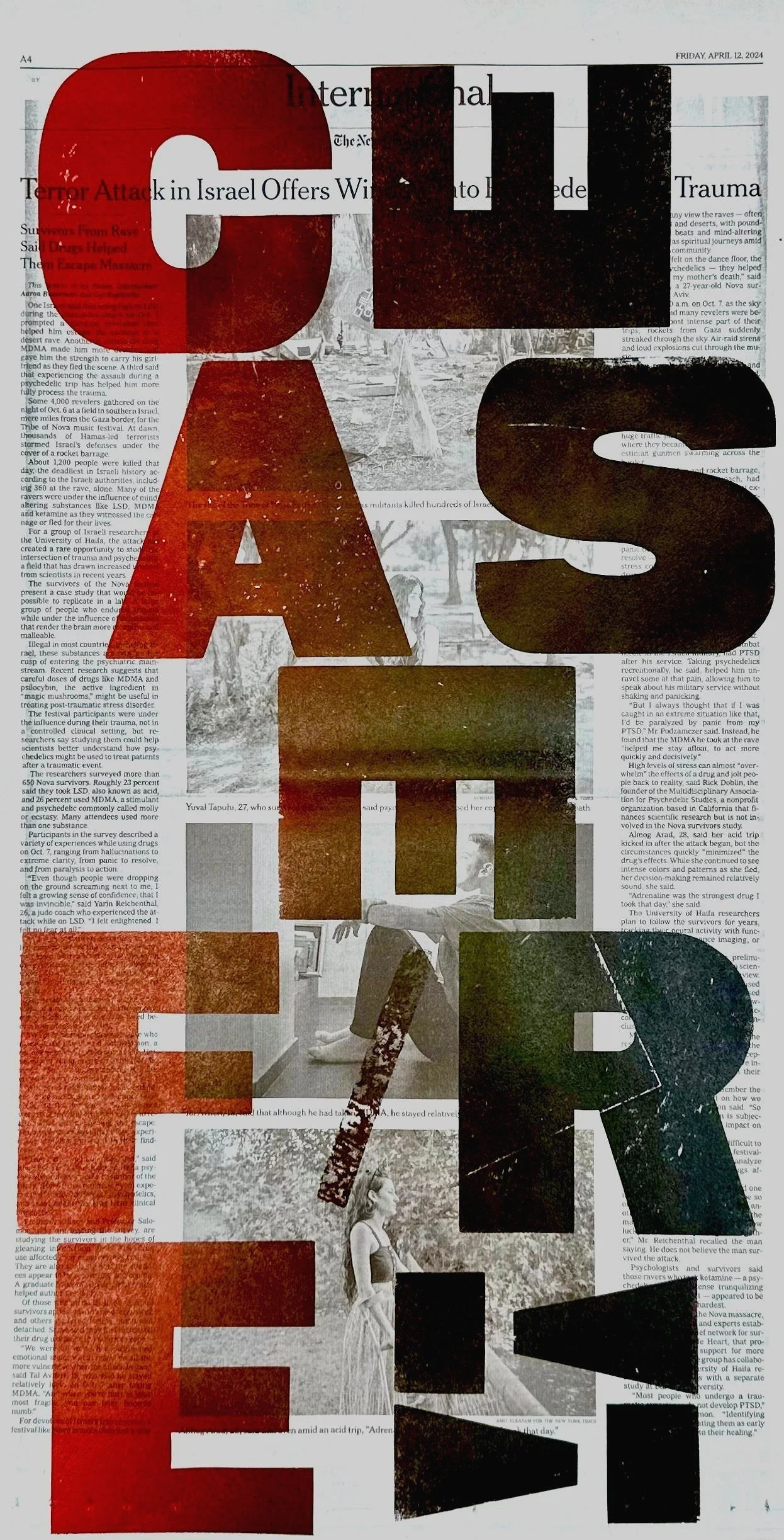
Cease Fire - Letterpress print on New York Times

Detail

Detail
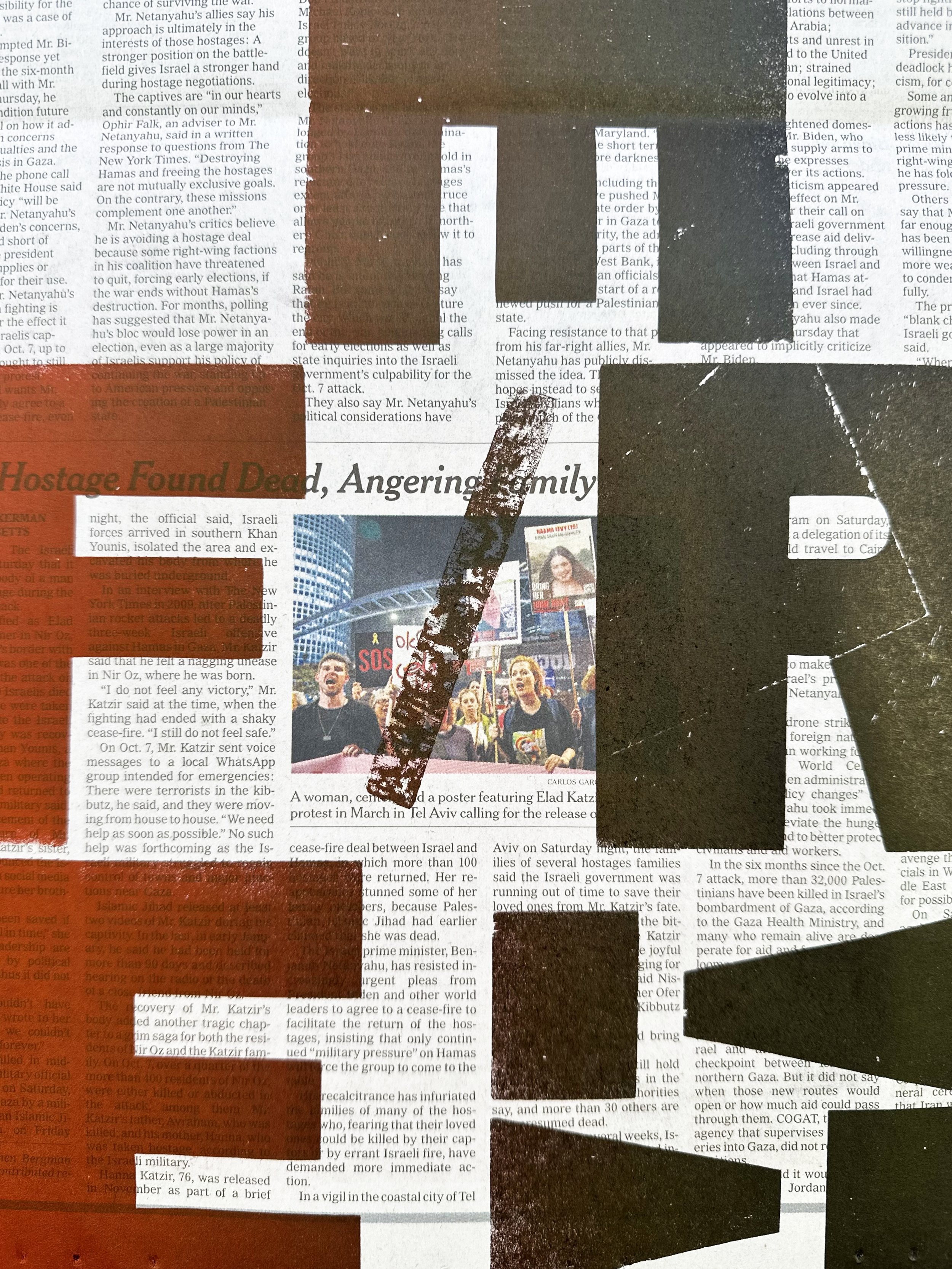
Detail

A Wonderful World/Un mundo feliz I, mixed media on 100lbs. French paper, 19" x 12.5" (48.26cm x 31.75cm)
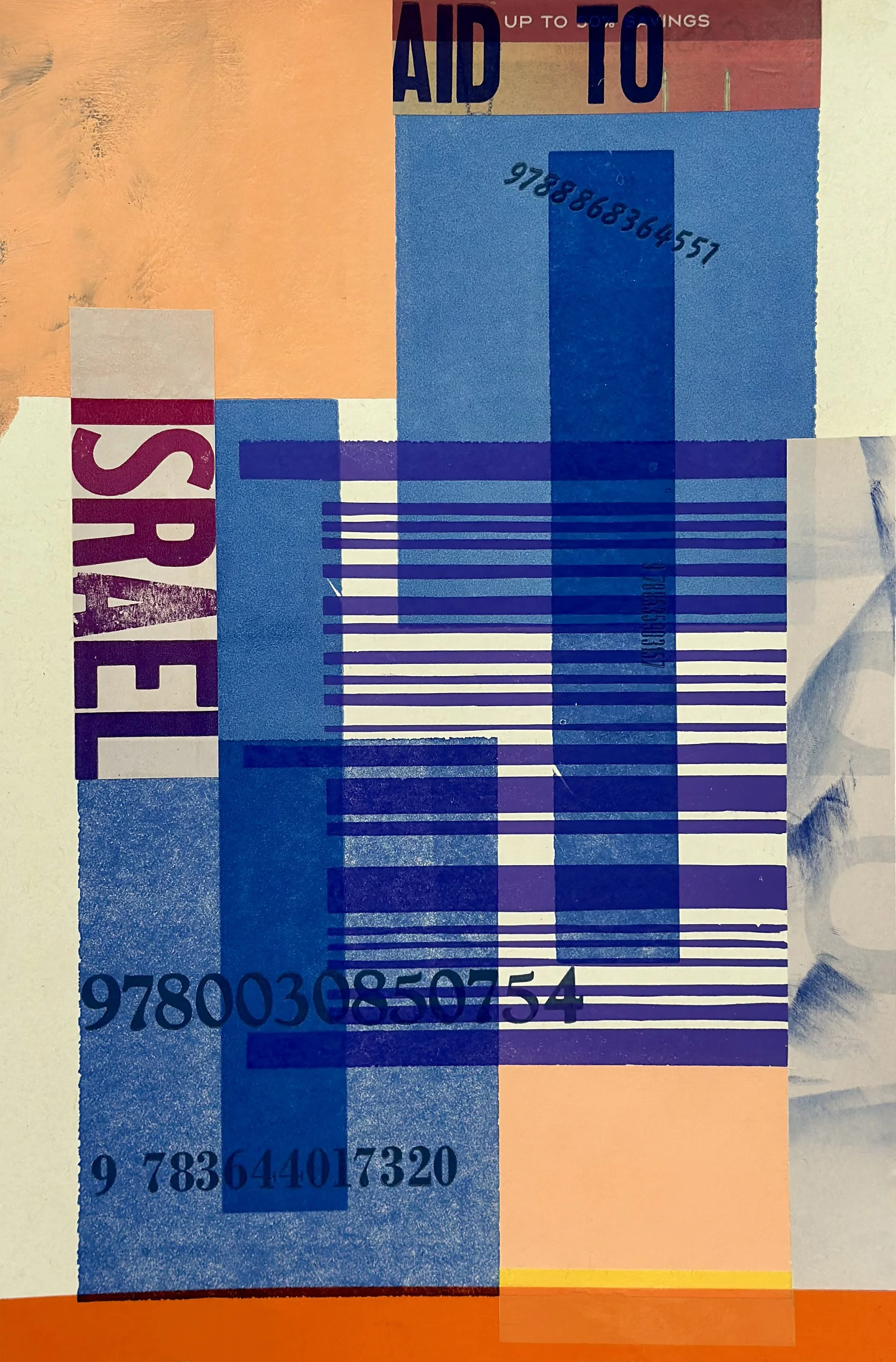
A Wonderful World/Un mundo feliz II, mixed media on 100lbs French paper, 19" x 12.5" (48.26cm x 31.75cm). In the collection of the Centro Provincial de Artes y Diseno (CPApyD), Santiago de Cuba.

A Wonderful World/Un mundo feliz III, mixed media on 100 lbs. French paper, 19" x 12.5 " (48.26cm x 31.75cm). In the collection of the Centro Provincial de Artes y Diseno (CPApyD), Santiago de Cuba.
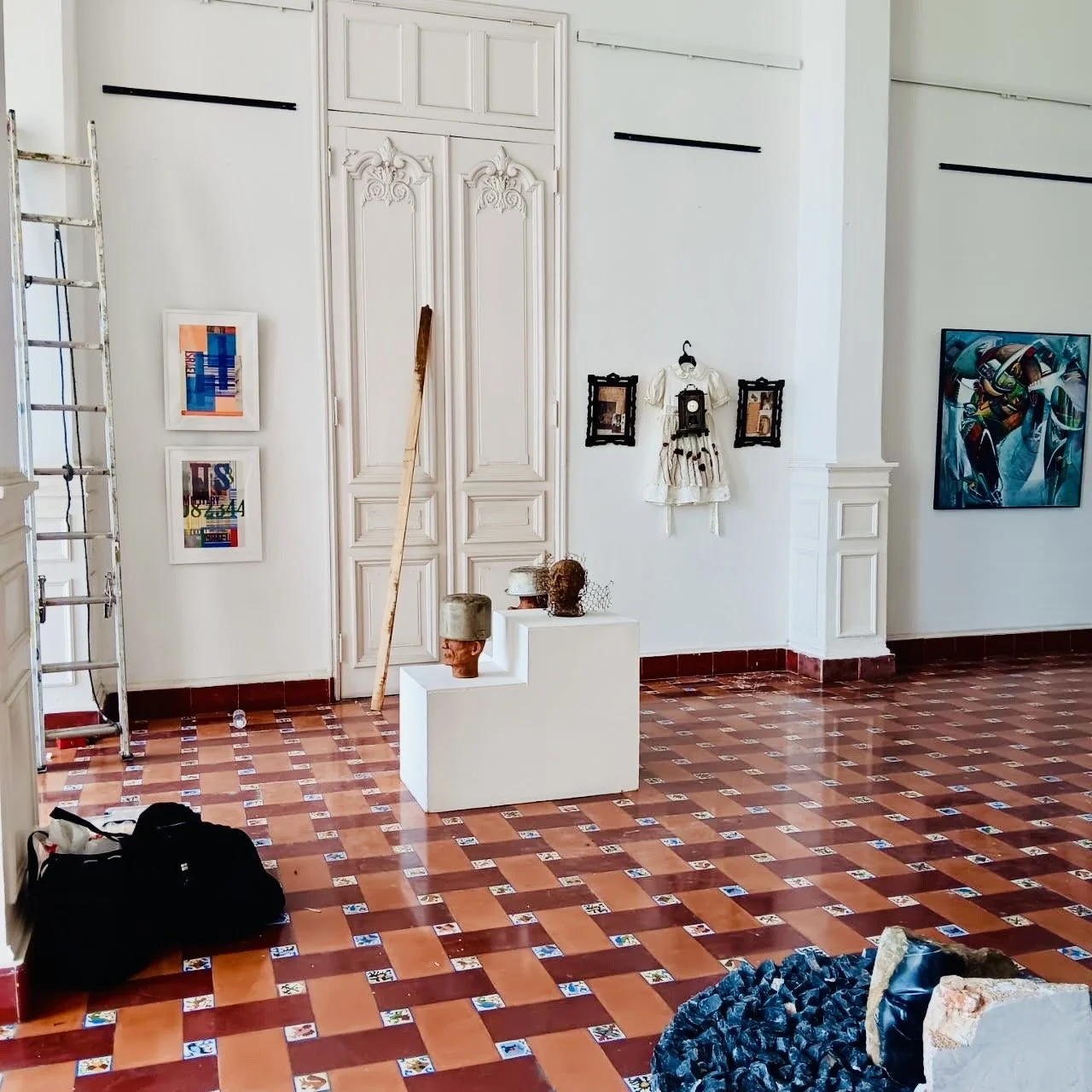
Installation view at the Salon Internacional del Caribe, Santiago de Cuba, 2025
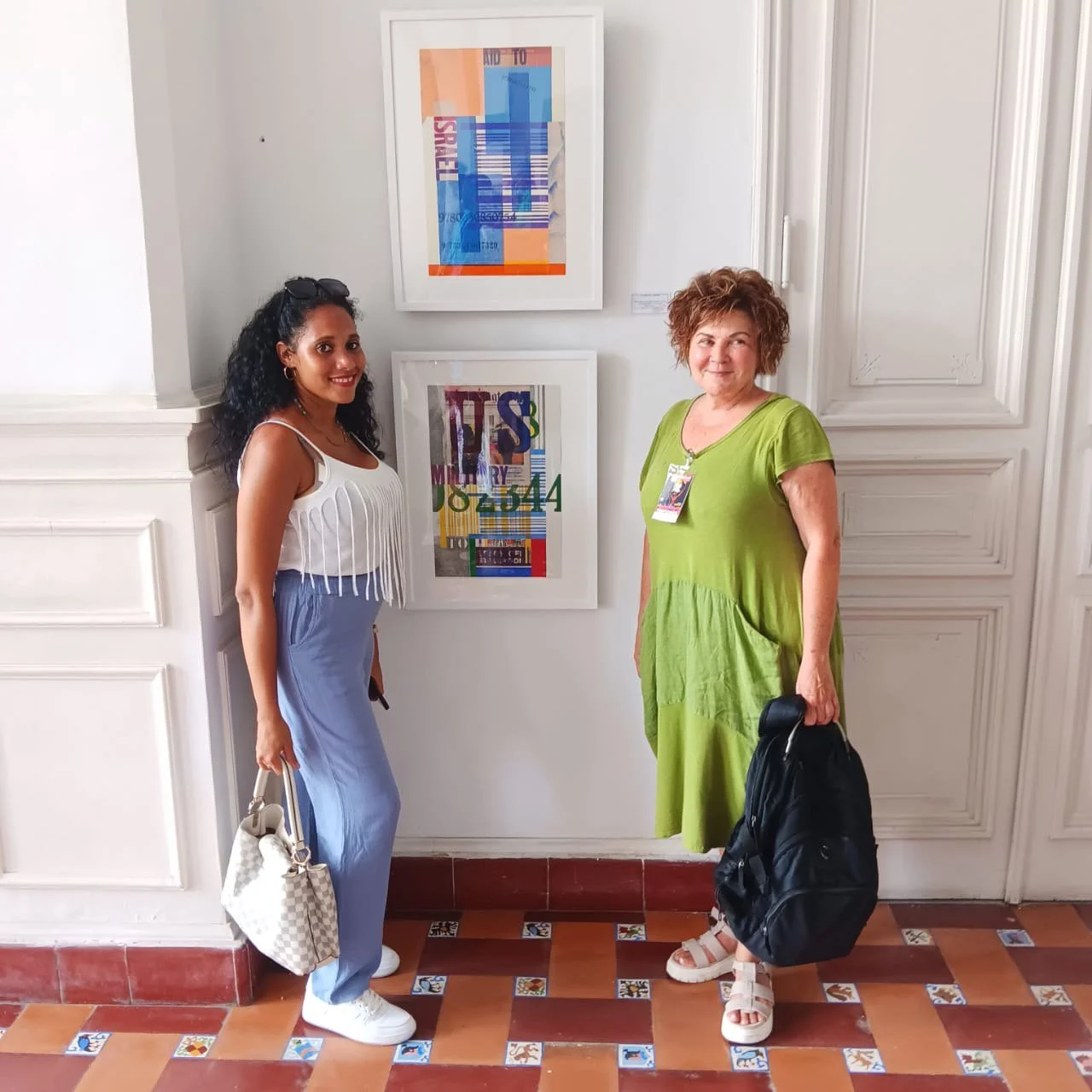
Installation view at the Salon Internacional del Caribe, Santiago de Cuba, 2025
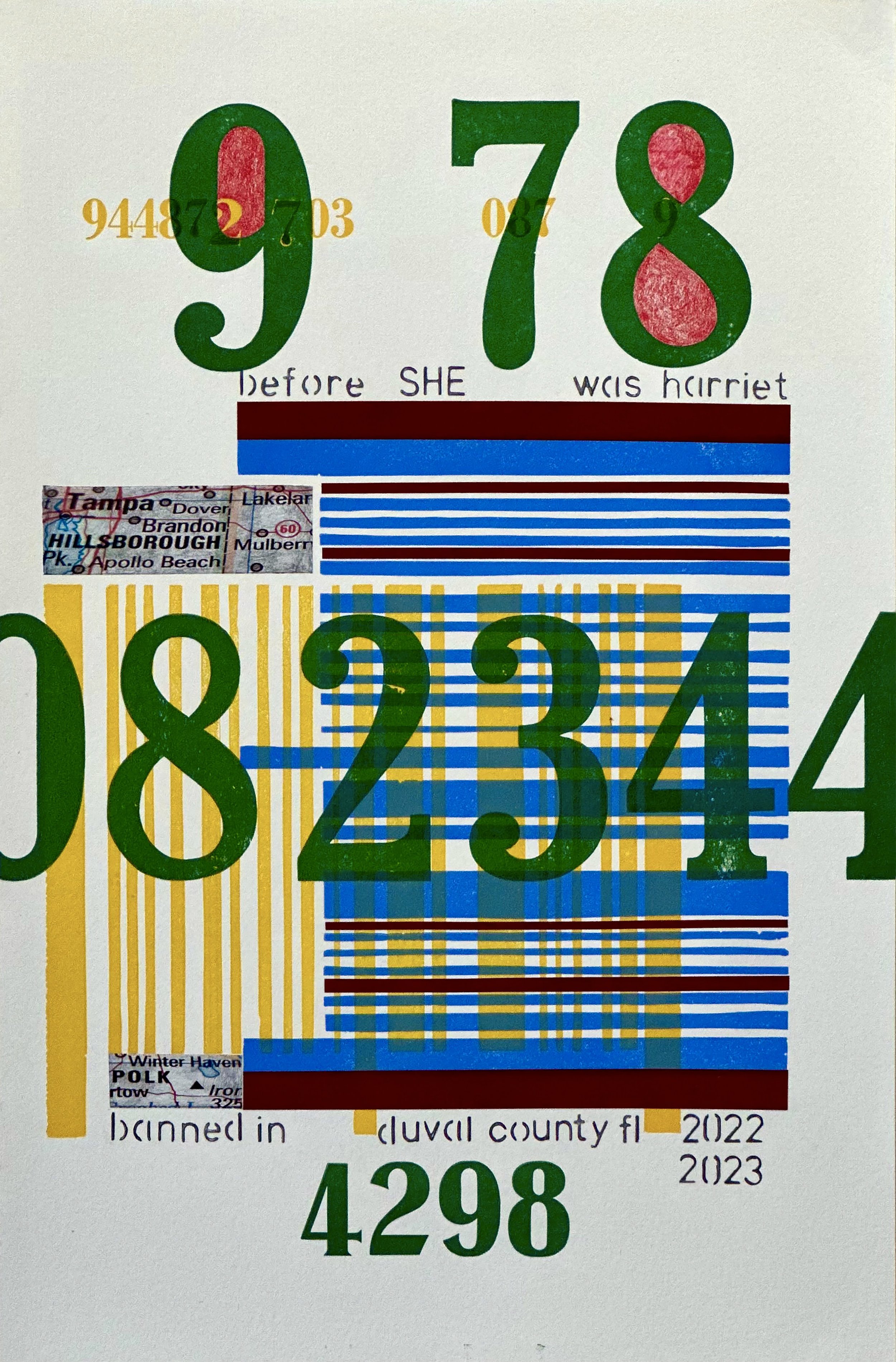
The works below are part of Forbidden Pages, an ongoing art and social engagement project that uses letterpress and linoleum printing as a starting point to examine censorship and the transformative power of storytelling.
These vibrant, paper-based prints merge art and activism, challenging book bans and inviting public dialogue. Drawing from a growing list of over 2,500 banned or challenged children’s books, the series highlights titles such as The Bluest Eye by Toni Morrison, Before She Was Harriet by Lesa Cline-Ransome, and All Boys Aren’t Blue by George M. Johnson.
Through bold, overlapping text, vivid color palettes, and layered textures, the works use abstraction to evoke themes of erasure, resistance, and resilience. Many prints integrate visual elements like ISBNs, barcodes, and fragments of text—serving as symbolic markers of identity, access, and loss.
Forbidden Pages seeks to ignite curiosity and critical reflection, particularly in light of the growing restrictions on literature in Florida’s public schools. By weaving visual storytelling with urgent social commentary, the project reaffirms the fundamental right to read—and gives voice to those being silenced.

Most Challenged - Letterpress print E.V. on 100lbs French paper - 19" x 12.5" (48.6 cm x 31.75 cm)

Oh, Oh Sound - Letterpress print E.V. on 100lbs French paper - 19" x 12.5" (48.6 cm x 31.75 cm)

Nation - Letterpress print E.V. on 100lbs French paper - 19" x 12.5" (48.6 cm x 31.75 cm)

9780823444298 - Letterpress, linoleum print on French paper - 19" x 12.5" (48.26 cm x 31.75 cm)

Still at Risk - letterpress print E.V. on 100lbs French paper - 19" x 12.5" (48.26 cm x 31.75 cm). In the collection of Carlton and Brandi Turner Walter Anderson Museum of Art.

Building la literatura- 2024 -24” x 62” - Letterpress and pressure prints, color pencil on 100 lbs. paper mounted on wood panels

Aramita - Letterpress, linoleum print on 100lbs paper -19" x 12.5" (48.26 cm x 31.75 cm)

Banned in Florida - letterpress, linoleum print on 100lbs. French paper - 19" x 12.5" (48.26 cm x 31.75cm)
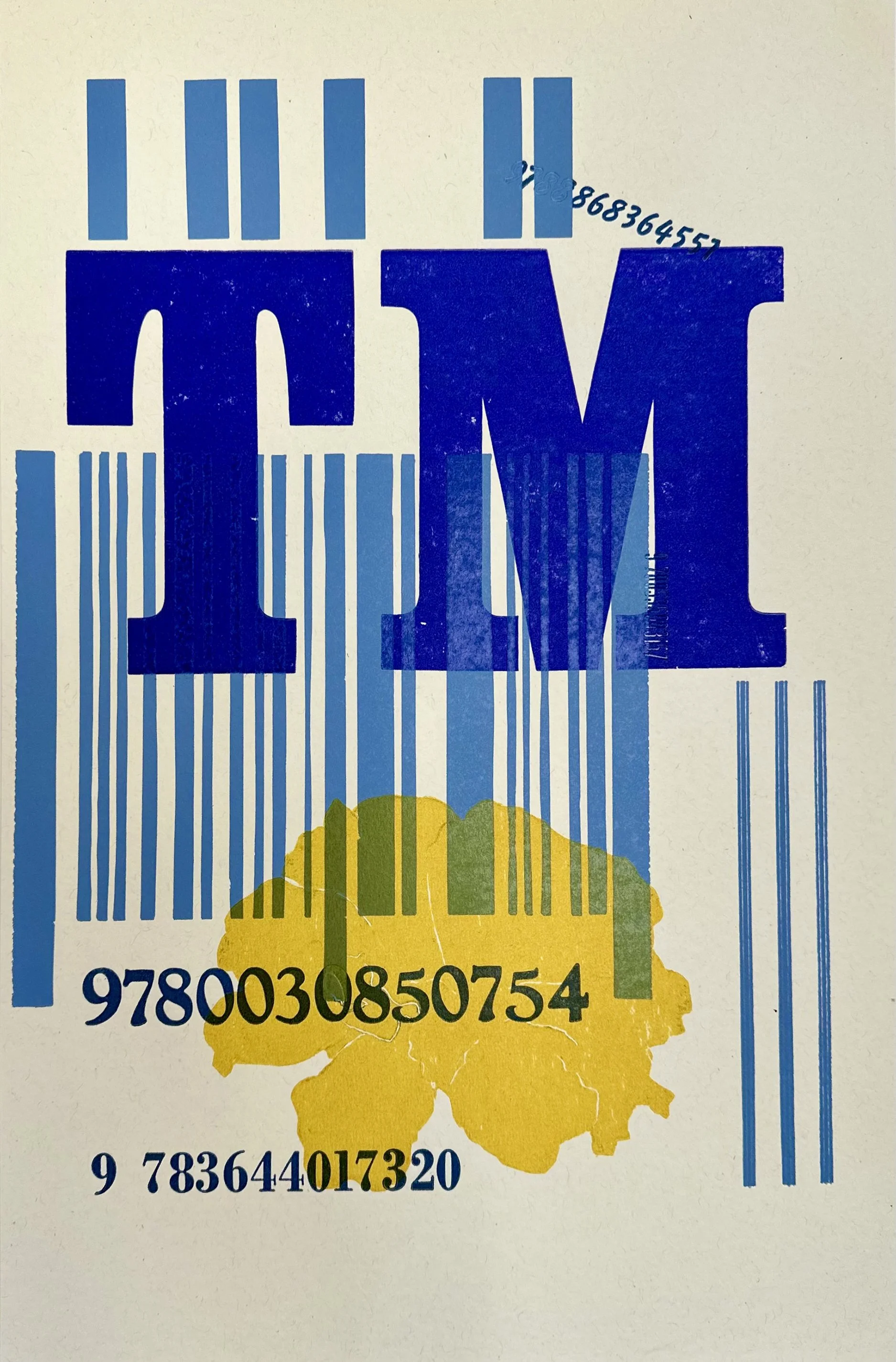
Marigold of Innocence and Hope - Letterpress, linoleum print on 100 lbs. French paper - 19" x 12.5" (48.26 cm x 31. 75 cm)

Toni Morrison - letterpress, linoleum print of 100lbs. French paper - 19" x 12.5" (48.26 x 31.75 cm)

Toni Morrison (kraft) - letterpress, linoleum print on 100lbs. French paper - 19" x 12.5" (48.26 cm x 31.75 cm)

Nobel Prize and Marigolds - Letterpress, linoleum print on 100 lbs. French paper- 19" x 12.5" (48.26 cm x 31.75 cm)
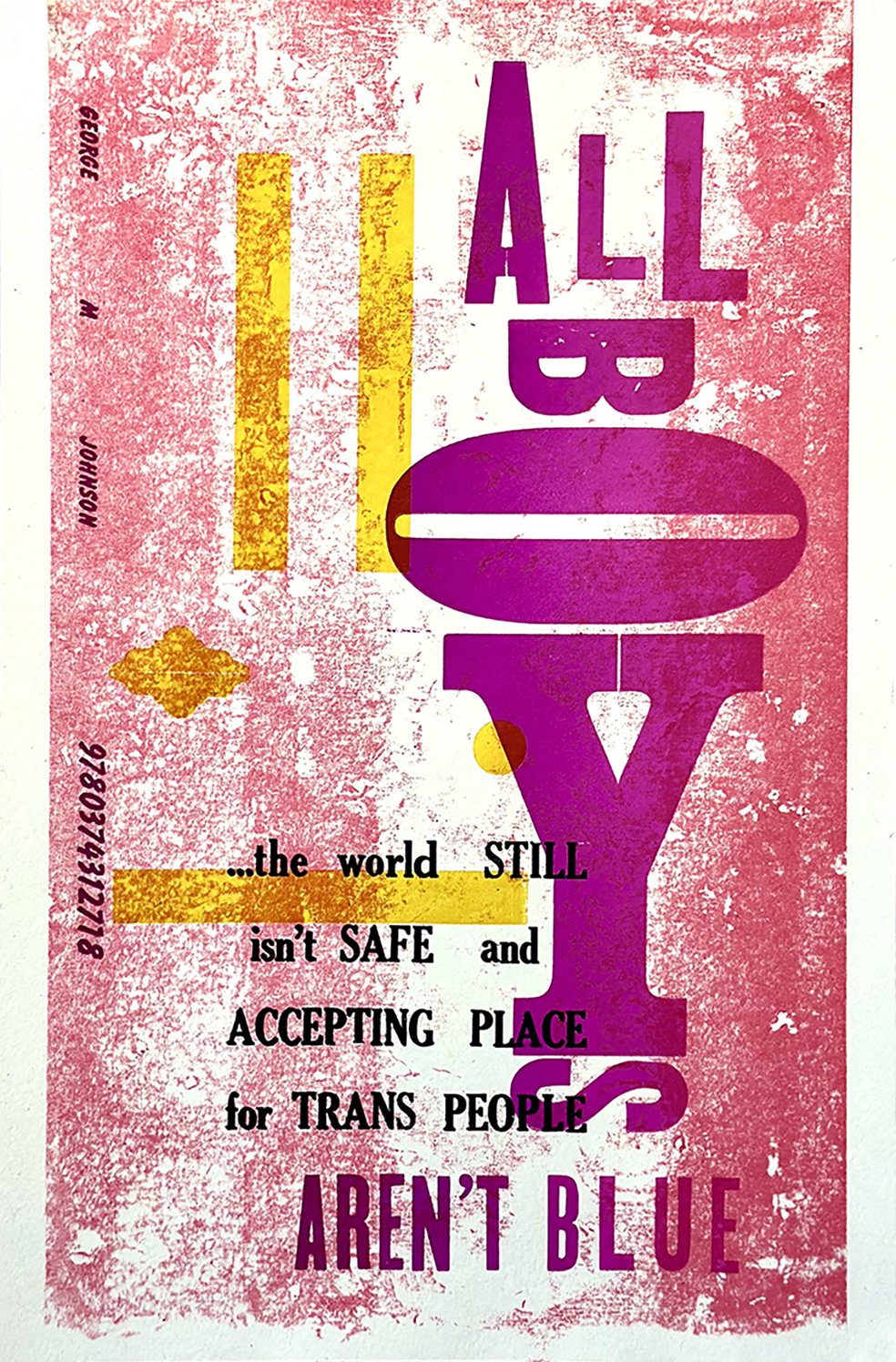
Still at Risk - Letterpress print E.V. on 100lbs. French paper - 19" x 12.5" (48.26 cm x 31.75 cm)
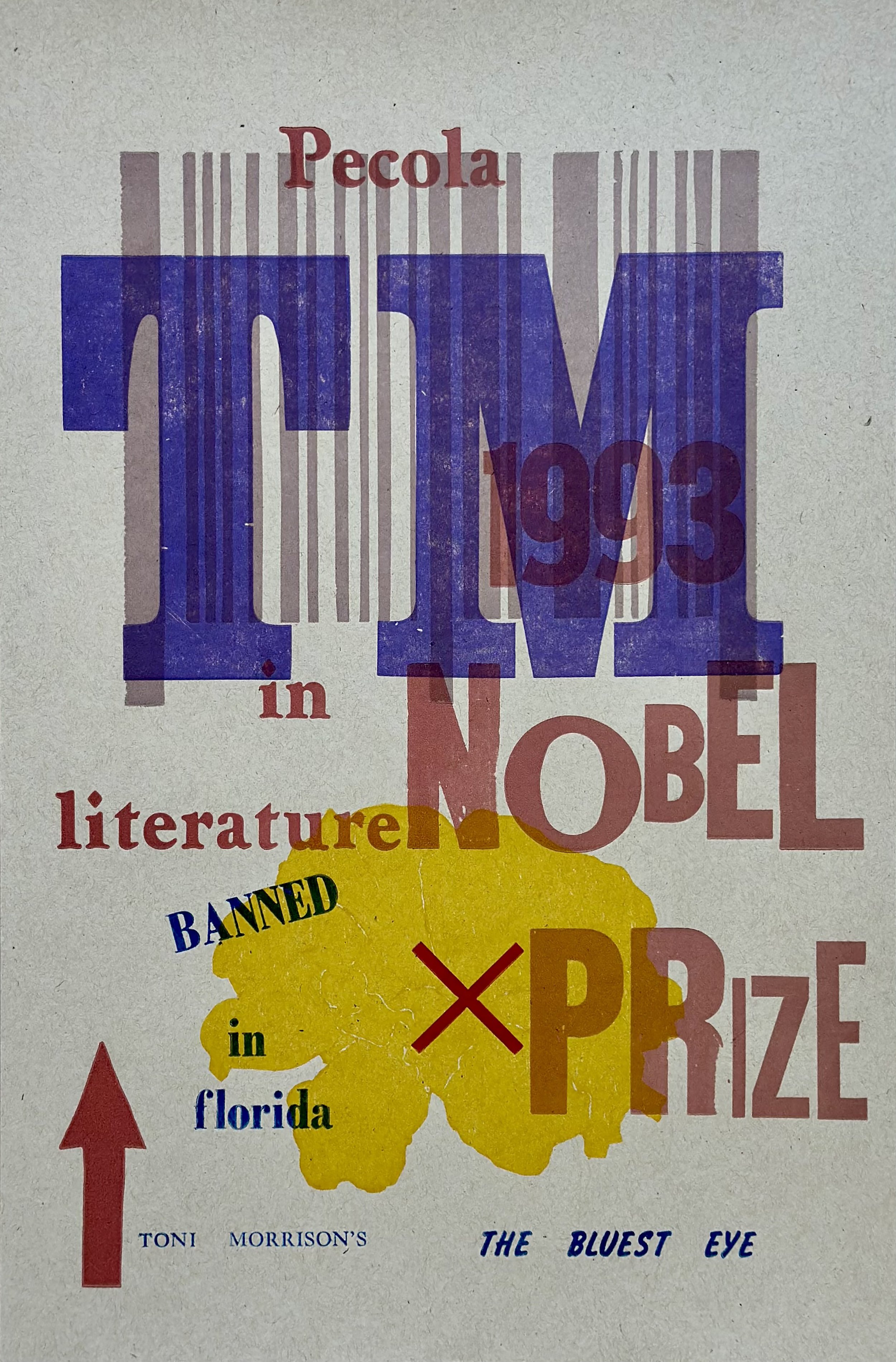
Banned in Florida (X) - letterpress, linoleum print on 100lbs. French paper -19" x 12.5" (48.26 cm x 31.75 cm)

OW OW Sound 2023 Letterpress print on 100lbs French paper ((Insulation Pink) edition of 11 E.V. (Edition Varied)

TM (Gold) - mixed media on 100lbs. French paper - 19" x 12.5" (48.26 cm x 31.75 cm)

Building la literatura -Mixed media on French Paper,25" x 48"
Mixed media on 100lbs. French paper - 19" x 12.5" (48.26 cm x 31.75 cm)

Conductor - mixed media on 100lbs French Paper - 19" x 12.5" (48.26 cm x 31.75 cm)

Spy - mixed media on 100lbs French paper - 19" x 12.5 " (48.26 cm x 31.75cm)


Minty -mixed media on 100lbs. French paper - 19" x 12.5" (48.26 cm x 31.75 cm)

Finally Free- mixed media on 100lbs. French paper - 19" x 12.5" (48.26 cm x 31.75 cm)

Nurse - mixed media on 100lbs. French paper - 19" x 12.5" (48.26 cm x 31.75 cm)


The prints below are part of "Rituals of Commemoration: THEY EXISTED," an artist book in the making that shines a light on the tragic loss of over 187 Black lives in Florida due to law enforcement actions since 1979. On average, U.S. police shoot and kill over 1,000 people annually, as reported by The Washington Post. Since 2015, The Post has recorded 9,767 fatal police shootings. (updated June 10, 2024)
Crafted with linoleum, letterpress, and polymer plates, each poster combines factual accounts and direct quotes from victims' families with poignant imagery to emphasize their humanity. The book aims to document and remember the individual stories that have often been ignored, with an initial run of 50 copies distributed free to libraries and universities in the affected communities.
This work builds on the 2014 initiative "Rituals of Commemoration," which features a memorial constructed from nine columns of inscribed or painted cement bricks. These bricks, categorized by decades and starting with Arthur Lee McDuffie in 1979, represent over 1,967 named victims. They function as both tombstones for the lives lost and as foundational elements for the impacted communities. The inscriptions encourage reflection on power dynamics, violence, and victimhood, merging contemporary art with historical preservation.
Fifty percent of all sales from these prints will benefit, supporting their crucial advocacy for justice and accountability. The remaining fifty percent will fund the ongoing creation of "Rituals of Commemoration: THEY EXISTED."


